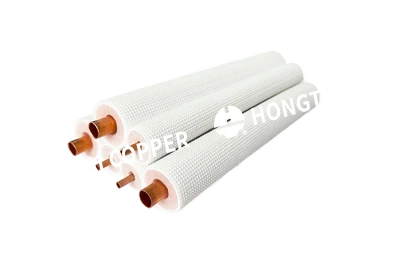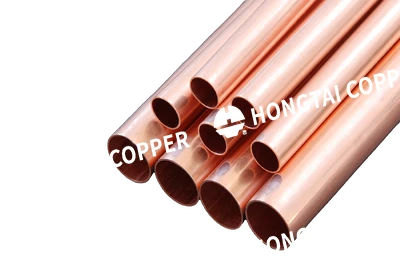

Copper pipes are an integral component in air conditioning systems, renowned for their efficiency and reliability. They serve as conduits for refrigerants, which are pivotal in cooling processes. The choice of material is not arbitrary; copper tube is preferred for its superior properties that enhance system performance and durability. This article explores the myriad reasons copper is the material of choice in AC systems, detailing its thermal conductivity, corrosion resistance, standard sizes, installation best practices, and maintenance, essential for anyone looking to understand or work with aircon copper tube. Whether you are considering copper pipe suppliers for your next project or just curious about the role of the copper gas pipe in cooling systems, this guide will provide valuable insights.
One of the primary reasons copper pipes are utilized in air conditioning is due to their excellent thermal conductivity. Copper is capable of transferring heat more efficiently than many other metals, which is crucial in refrigerant systems where effective heat exchange is needed. This property ensures that the copper pipe for AC unit can deliver cooling power effectively across various climates and conditions, making it a top choice for procurement through a wholesale copper tube program.
Metal | Thermal Conductivity (W/m·K) | Usage |
Copper | 401 | Preferred for AC units and refrigerant lines |
Aluminum | 237 | Used in some alternative systems |
Steel | 51 | Limited to specific industrial applications |
The high thermal conductivity of copper minimizes energy loss, ensuring air conditioning systems operate efficiently, which is especially crucial in regions with extreme temperatures. Moreover, this efficiency translates into cost savings on energy bills and reduces the overall carbon footprint of AC systems, making copper a sustainable choice for environmentally conscious consumers and businesses.
Copper pipe for aircon is also lauded for its resistance to corrosion, a common issue in environments exposed to moisture and chemical treatments. Corrosion resistance is critical as it extends the lifespan of air conditioning systems, ensuring reliable operation over many years without frequent replacements. Type L copper pipe, known for its thickness, and Type M copper pipe, often used where premium strength isn't as crucial, both offer excellent resistance properties, which are hallmarks of quality from HONGTAI COPPER.
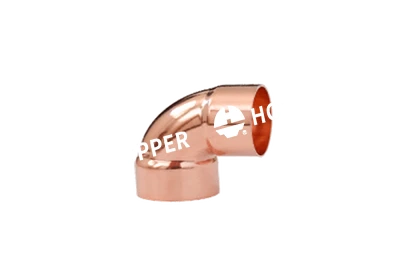
While both type L copper tubing and type M copper are utilized, it's essential to choose the right piping for your AC needs. Type M copper pipe is commonly used for domestic water lines but can serve in certain aircon applications where lower thickness could suffice. Conversely, Type L copper provides greater thickness and is better suited for higher pressure systems or commercial use. For additional protection, sometimes copper pipe fittings and copper tube fittings require specific anti-corrosion treatments. Using the correct copper fitting types and copper pipe fitting types ensures longevity and reliability of the connections.
In air conditioning systems, it's vital to understand the standard sizes available for refrigerant lines. Copper tubing for propane and refrigerant often adheres to specific dimensions, which facilitate ease of installation and interoperability across different system components.
Pipe Type | Available Sizes (inches) | Typical Use |
Type L | 1/4, 3/8, 1/2, 5/8 | Residential and commercial AC systems |
Type M | 3/4, 1, 1 1/4 | Domestic water systems, some AC applications |
Type K | 1/4, 3/8, 1/2 | Specialized high-pressure applications |
The 15mm copper pipe, while not as common in U.S. systems, is frequently utilized in regions such as Europe, demonstrating the global versatility of copper. Understanding these sizes prepares technicians and homeowners alike to make informed decisions when selecting the right copper tube thickness for their AC units.
Proper installation of aircon copper pipe is crucial for ensuring the system’s longevity and efficiency. During installation, it's important to consider the use of flared copper pipe and copper tube end caps. Flared fittings allow for strong, hermetically sealed connections vital for maintaining refrigerant integrity while copper pipe end cap helps in preventing dust and moisture ingress.
Key steps in installation include cleaning the refrigeration copper pipe, ensuring proper support and bracing to minimize vibrations, and precision soldering or welding at joints. Techniques such as refrigeration copper tubing welding must ensure no impurities enter the system that could clog or damage the sensitive components. Also, using specialized welding rods, like those with welding rod copper, can make a significant difference in the strength and reliability of the welds.
The lifespan of copper piping in AC systems is typically excellent, often exceeding 20 years with proper maintenance. Regular inspections for leaks, corrosion, or mechanical wear can prevent potential system failures and prolong the hardware's service life. Utilizing copper pipe cap and copper tube end caps enhance the protection of pipe ends, which are most susceptible to damage.
Routine maintenance should include checks on copper elbows and the replacement of any worn-out copper pipe fittings or copper tee components. The flexibility and durability of L type copper tube mean that with appropriate care, an AC system's copper lines can maintain high performance standards throughout its life.
In conclusion, copper remains the preferred material for air conditioning piping due to its superior thermal properties, corrosion resistance, and durability. It's worth exploring copper pipe for ac options from reputable suppliers to ensure quality and reliability. Taking time to understand the copper fitting options and installation techniques will further guarantee that your cooling systems remain efficient and robust, delivering comfort in the most essential ways.