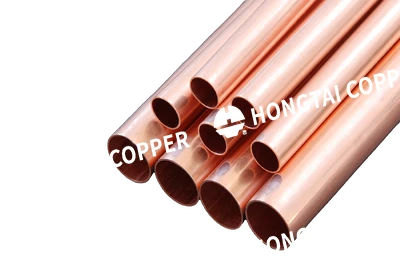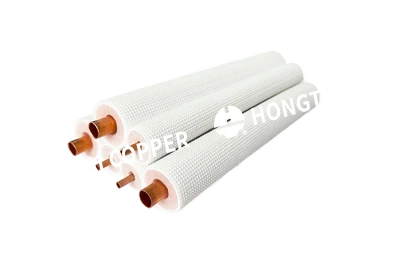

Copper pipes are a versatile and durable choice for plumbing systems, offering various advantages over other materials. Whether you’re considering copper pipe for ac units or exploring configurations for residential and commercial applications, understanding the diverse applications and benefits of copper tubing is essential. This guide explores how copper pipe suppliers provide options that cater to different needs, including copper tubing for propane gas, hot water lines, and more. By examining the role of copper pipes in various contexts, this article sheds light on their advantages and environmental implications, providing you with knowledge to make informed decisions, especially when sourcing through a wholesale copper tube program.
Copper pipes play an integral role in residential plumbing due to their reliability and longevity. Homeowners often choose type L copper pipe for their main water supply lines, thanks to its moderate thickness and cost-effectiveness. Copper pipe fitting types such as elbows and tees are essential for efficiently distributing water throughout a home, allowing for custom configurations that meet specific architectural demands.
Application | Material | Advantages |
Water Supply Line | L Type Copper Tube | Balanced thickness, Cost-effective |
Joints and Connectors | Copper Fittings | Customizable, Resilience to pressure |
Additional Accessories | Copper Pipe End Cap | Leakproof sealing, Easy installation |
The compatibility of copper piping with household plumbing fixtures also extends to copper pipe for gas line connections. As gas plumbing demands a high level of safety and reliability, copper gas pipes are often preferred for their consistent performance in both high and low-pressure environments.
In commercial construction, the copper pipe for aircon and other similar types provide robust solutions due to their ability to withstand diverse conditions. The demands of larger buildings, such as office complexes or industrial facilities, require piping systems that can handle high volumes and varied temperatures, making copper tube thickness a critical factor.
For air conditioning systems, air conditioning refrigeration copper tubing provides excellent thermal transfer efficiency, crucial for maintaining comfortable indoor environments. Refrigeration copper pipe variants cater specifically to cooling needs, ensuring systems operate optimally even during peak usage, a performance standard met by hongtai copper tube.
Furthermore, commercial installations benefit from the use of square copper tubing and k copper pipe, chosen for their increased pressure ratings and durability. These options are preferred in situations requiring significant structural integrity and reliability.
The use of copper pipes for hot water distribution is well-regarded due to copper's thermal resistance and corrosion properties. Choosing type K copper tubing or type M copper pipe can significantly affect the efficiency and service life of hot water systems.
Type L copper tubing is particularly popular in both residential and commercial settings. Its medium thickness strikes a balance between durability and cost, making it a common choice for both supply lines and branch piping. The reduced risk of leaks and contamination in copper hot water lines further solidifies its position as a superior choice over non-metallic piping options.
Moreover, utilizing copper tube fittings and copper tube elbows allows for complex system layout creation without compromising functionality. These components facilitate effective water flow management, essential for maintaining consistent water temperatures across multiple endpoints.
Copper's compatibility with various plumbing fixtures is a significant advantage, accommodating a wide range of copper fitting types such as copper tee and flared copper pipe connections. This flexibility supports both traditional fixtures and modern smart plumbing solutions, making copper an appropriate choice for contemporary building designs.
Integrating components like copper pipe elbows helps ensure a seamless and efficient transition between different building zones. This adaptability extends to 13mm copper pipe segments, which are often employed in specialized applications requiring precise pipe diameters for optimal operation.
Moreover, the use of welding rod copper aids in establishing brazing joints and soldered connections, ensuring the integrity of water transport systems. The resilient nature of copper prevents leaks and maintains efficient water pressure even under demanding usage scenarios.
Copper is an environmentally friendly choice for plumbing systems, primarily due to its recyclability and longevity. Unlike some plastic alternatives, copper does not degrade over time, reducing the need for frequent replacements and lowering waste. The careful consideration of copper type k and type m variations also contributes to sustainability by allowing the specification of material suited precisely to the task.
The environmental impact of using copper extends to improved energy efficiency. Copper’s excellent heat retention and conduction properties facilitate more effective water heating, reducing the energy required to maintain hot water systems. Similarly, copper pipe for ac usages help optimize HVAC system performance, lowering energy consumption and supporting eco-friendly building operations.
When choosing copper for plumbing needs, collaboration with reputable copper pipe suppliers can ensure the acquisition of sustainably sourced materials, ultimately supporting broader environmental initiatives. This makes copper not only a practical choice but a responsible one for future-ready building practices.
By understanding the numerous benefits and applications of copper pipes, individuals and businesses can make informed choices that enhance their building infrastructure, drive cost savings, and contribute positively to environmental sustainability.
Copper pipes continue to be a preferred choice in both residential and commercial plumbing systems due to their durability, reliability, and environmental benefits. From 15mm copper pipes used in intricate residential installations to robust copper pipes for gas lines in industrial settings, the variety of copper pipe types cater to diverse needs. Collaborating with well-established copper suppliers will ensure access to high-quality materials tailored to specific applications, contributing to efficient, long-lasting plumbing systems that meet contemporary environmental standards. Through thoughtful selection and application, copper remains at the forefront of modern plumbing solutions.