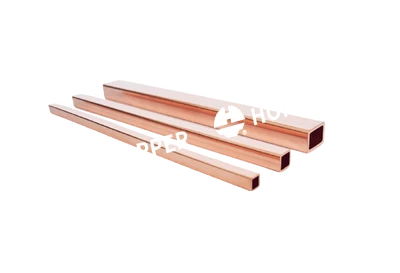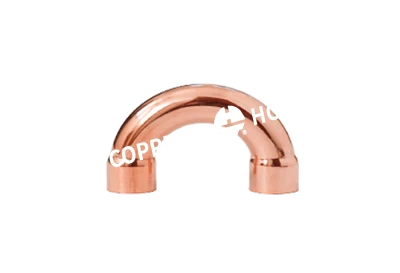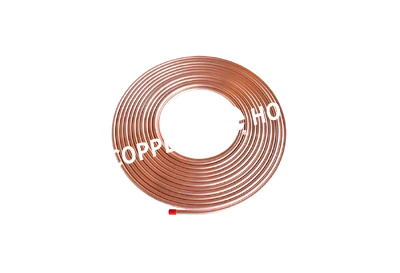

The world of copper tubing can seem overwhelmingly complex due to the variety of types and classifications. Yet, understanding these basics is crucial, especially for tasks such as construction, air conditioning installations, and gas lines. Copper's unique properties such as thermal conductivity, corrosion resistance, and malleability make it a popular choice for various applications including copper pipe for AC unit and copper gas pipe systems. This article will elucidate different aspects of copper tubing, including classifications, wall thickness variations, material standards, historical evolution, and key properties, ensuring that you make informed decisions whether you're dealing with 15mm copper pipe or looking to install refrigeration copper pipe.
Copper tubing comes in several classifications, each suited for specific applications. These classifications are usually designated by letters such as Type M, L, and K, each with distinct applications and benefits.
Classification | Application | Features |
Type M copper pipe | Residential water systems | Thinner walls, affordable |
Type L copper pipe | Interior water supply, HVAC systems | Thicker walls, versatile use |
Type K copper tubing | Underground water lines, natural gas distribution | Thickest walls, highest pressure ratings |
When selecting copper tubing, consider the copper pipe thickness and copper fitting types needed for your project. For example, Type L copper tubing is often recommended for indoor plumbing or HVAC use due to its balance between thickness and flexibility. HONGTAI COPPER provides a full range of these options to meet diverse specifications.
Understanding the differences in wall thickness is essential for choosing the right copper tube for the right application. Wall thickness not only affects the durability of the tubing but also its capacity to withstand pressure.
Type | Wall Thickness | Application Example |
Type M copper pipe | 0.025 inches | Lower pressure, residential applications |
Type L copper pipe | 0.040 inches | General plumbing and aircon copper tube use |
Type K copper tubing | 0.065 inches | High pressure, underground and gas lines |
For applications like copper tubing for propane gas, it's critical to rely on copper tubing with the correct wall thickness to ensure safety and function over time. The choice of copper pipe fittings such as a copper pipe end cap or copper pipe elbow should also match these requirements.
Copper tubes are made from various alloys and follow stringent standards to ensure consistency and reliability. These standards are key when selecting a copper pipe for AC or any copper tubing for propane gas applications.
Material Standard | Application | Advantages |
ASTM B88 | Plumbing and potable water systems | High corrosion resistance |
ASTM B280 | Refrigeration systems | Seamless, high pressure rating |
Whether sourcing through copper pipe suppliers or ensuring the correct fitting such as a copper tee, adherence to material standards like ASTM B88 for potable water and ASTM B280 for refrigeration is crucial for system integrity.
Copper tubing has evolved significantly from its early uses in ancient plumbing systems to modern-day sophisticated applications. Its historical credibility as a reliable plumbing material has only been fortified with technological advancements. Today, this evolution is supported by accessible wholesale copper tube markets that meet global demand.
From basic water supply lines in ancient civilizations to modern copper gas line installations, the durability and adaptability of copper have cemented its place in the industry. As cities continue to expand, copper's role in infrastructure, highlighted by copper tubing for aircon and HVAC systems, becomes even more essential.
Copper’s properties make it unique and advantageous for a myriad of applications. Its thermal conductivity is particularly beneficial for refrigeration copper tubing and HVAC applications, where temperature regulation is key.
Property | Benefit | Application |
Thermal Conductivity | Efficient heat exchange | Aircon copper pipe, heating systems |
Corrosion Resistance | Long-lasting and durable | Plumbing and gas lines |
Moreover, copper’s malleability allows for easy installation and maintenance, making it a preferred choice for fabrications like copper pipe caps and flared copper pipe systems.
Understanding the different aspects of copper tubing, from its various classifications to its core properties, equips you with the knowledge to make informed decisions for your projects. Whether you're looking at copper tube fittings for a plumbing project, copper gas pipe systems for energy distribution, or copper pipe end cap options for closing off pipelines, the right choice is pivotal for safety and efficiency. The material's rich history and adaptability continue to make it an invaluable resource across industries. Always ensure compliance with the necessary standards and correct specifications for any copper tube applications.
References:
American Society for Testing and Materials. ASTM B88: Standard Specification for Seamless Copper Water Tube. ASTM.
Copper Development Association. "Copper Pipe and Tubing". Copper.org.
Plumbing Standards and Guidelines, International Association of Plumbing and Mechanical Officials. IAPMO.